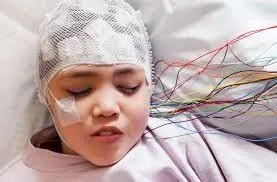
Physiological Seizures: These encompass a wide variety of disorders, including fainting spells, acute neurological events, toxic occurrences, hallucinations, sleep disorders, spasmodic movement disorders, endocrine disturbances, sudden uncontrollable movements, convulsions, altered consciousness, or other seizure-like behaviors and physical sensations that mimic those of epilepsy and even transient attacks due to insufficient blood supply. Triggers for such seizures could range from abnormal sleep patterns and high alcohol consumption to low blood pressure and other conditions affecting blood and sugar levels.
Psychological Seizures: This category includes variations like dissociative seizures which occur unconsciously and are not controllable by the individual. It's the most common form of NES. These seizures are also related to psychiatric conditions that induce seizures, such as panic attacks.
Living with PNES means dealing with mental and emotional issues, and it is important to understand PNES treatment requires a unique approach different from epilepsy. The treatment is mainly centered around addressing the relevant psychological issues which involve psychotherapy and stress management methods to name a few.
At MindMend, managing PNES becomes a possibility. We aim to provide education about PNES to clients and their loved ones, reducing any associated stigma, and enhancing the quality of life for those affected by this condition.